Dubai × Spain
Why Dubai Investors Are Adding Spain to Their Portfolio
7 min
Why Dubai Investors Are Adding Spain to Their Portfolio
Dubai has been one of the best property stories of the last few years. 2025 was a record year, with around 205,400 residential deals worth AED 544 billion, according to Knight Frank.
So why are more people who own in Dubai now looking at Ibiza, Mallorca and Marbella?
It's not about leaving Dubai. It's about adding something Dubai can't give you.
1. Dubai for income, Spain for life
Dubai is built for returns:
- No annual property tax, no tax on rental income and no capital gains tax for individuals
- Gross rental yields of around 6–7%
- Fast, liquid market
The Mediterranean is built for living:
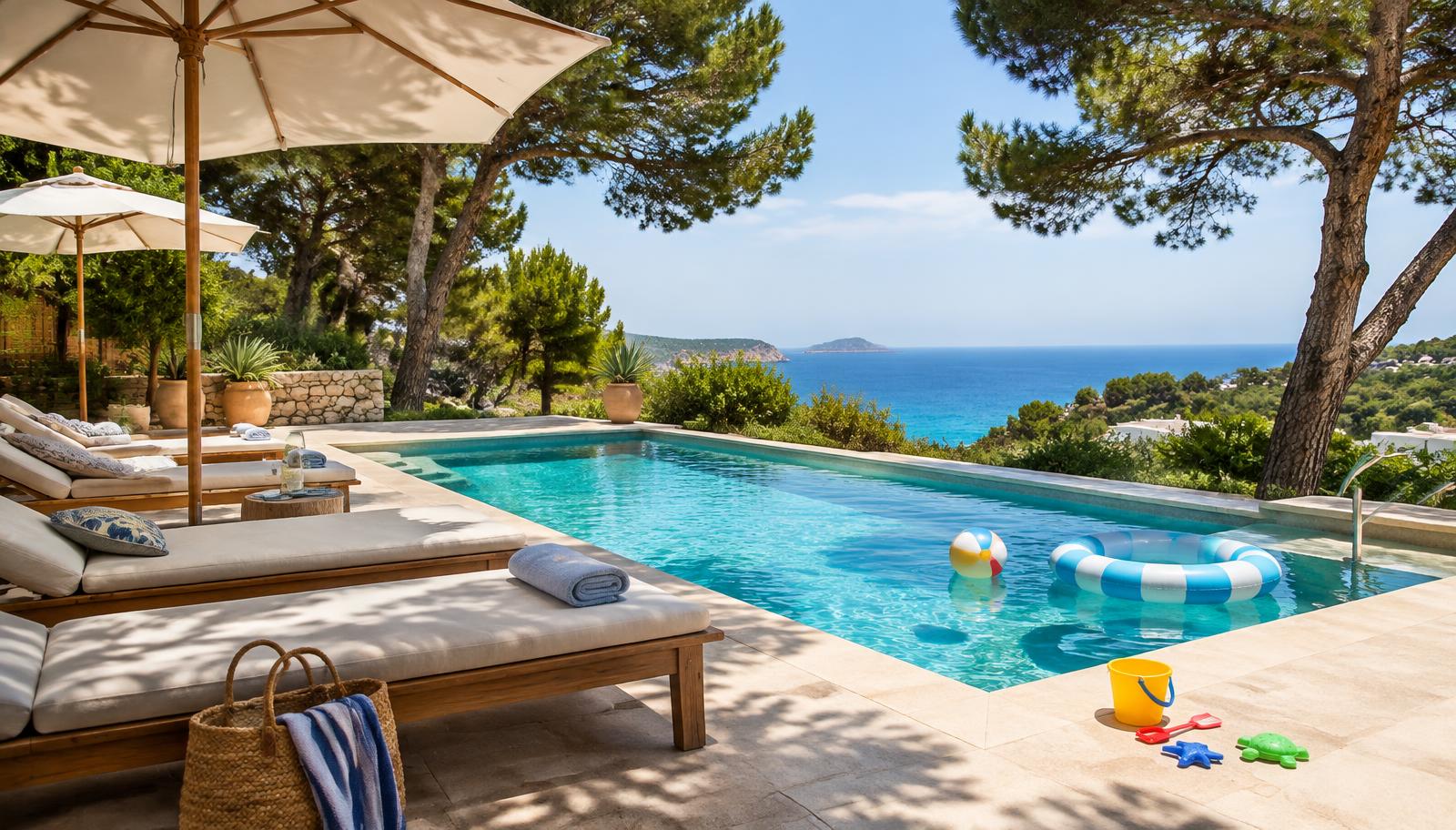
- A summer home for the whole family
- Nature, sea, safety, European life
- A home your children and grandchildren will grow up in
2. Different seasons, one calendar
Dubai's best months are November to March. The Mediterranean's best months are May to October.
Own in both, and the weather is good all year. Winter in Dubai, summer in Ibiza or Mallorca. And since summer 2026 there's a direct Etihad flight from Abu Dhabi to Palma, three times a week from June to mid-September, so the summer move is one flight.
3. Scarcity vs supply
This is the part most investors miss.
Dubai keeps building. Knight Frank estimates that over 160,000 new units could be delivered in 2026, most of them apartments. More supply usually means slower price growth, and Knight Frank expects prime prices to rise about 3% and mainstream about 1% by the end of 2026.
Ibiza can't build much more. Strict planning rules and protected land mean very little new supply, especially on the coast. House prices per m² in Ibiza have risen every year since 2022, about 22% in total by 2026 on Engel & Völkers' data. Across the Balearics, registered prices rose about 10% year on year in Q1 2026.
Owning in both balances a high-supply, high-yield market with a low-supply, steady-growth one.
4. Two currencies, two markets
Dubai property is priced in dirhams, pegged to the US dollar. Spanish property is priced in euros, inside the EU legal system.
Holding both spreads your wealth across two currencies and two very different economies. If one market slows, the other often doesn't.
5. A family asset, not just an investment
Many Gulf families don't think of a Mediterranean home as a trade. They think of it as the family summer house: the place everyone comes back to, year after year, and that passes to the next generation.
The trade-offs to know
Spain isn't Dubai, and it's important to be honest about the differences:
- Higher costs to buy. In the Balearics, transfer tax on resale homes over €2M is 13%, plus legal and notary fees.
- Annual taxes. Non-EU owners pay non-resident tax, and 24% on gross rental income.
- No residency through property. Spain ended its property Golden Visa in April 2025. Dubai still offers a 10-year Golden Visa from AED 2 million in property.
- Strict rental rules in places like Ibiza, where new tourist licences are essentially frozen.
That's exactly why the combination works: Dubai covers residency and income, Spain covers lifestyle and long-term stability.
How investors usually do it
- Keep the Dubai portfolio for income and residency.
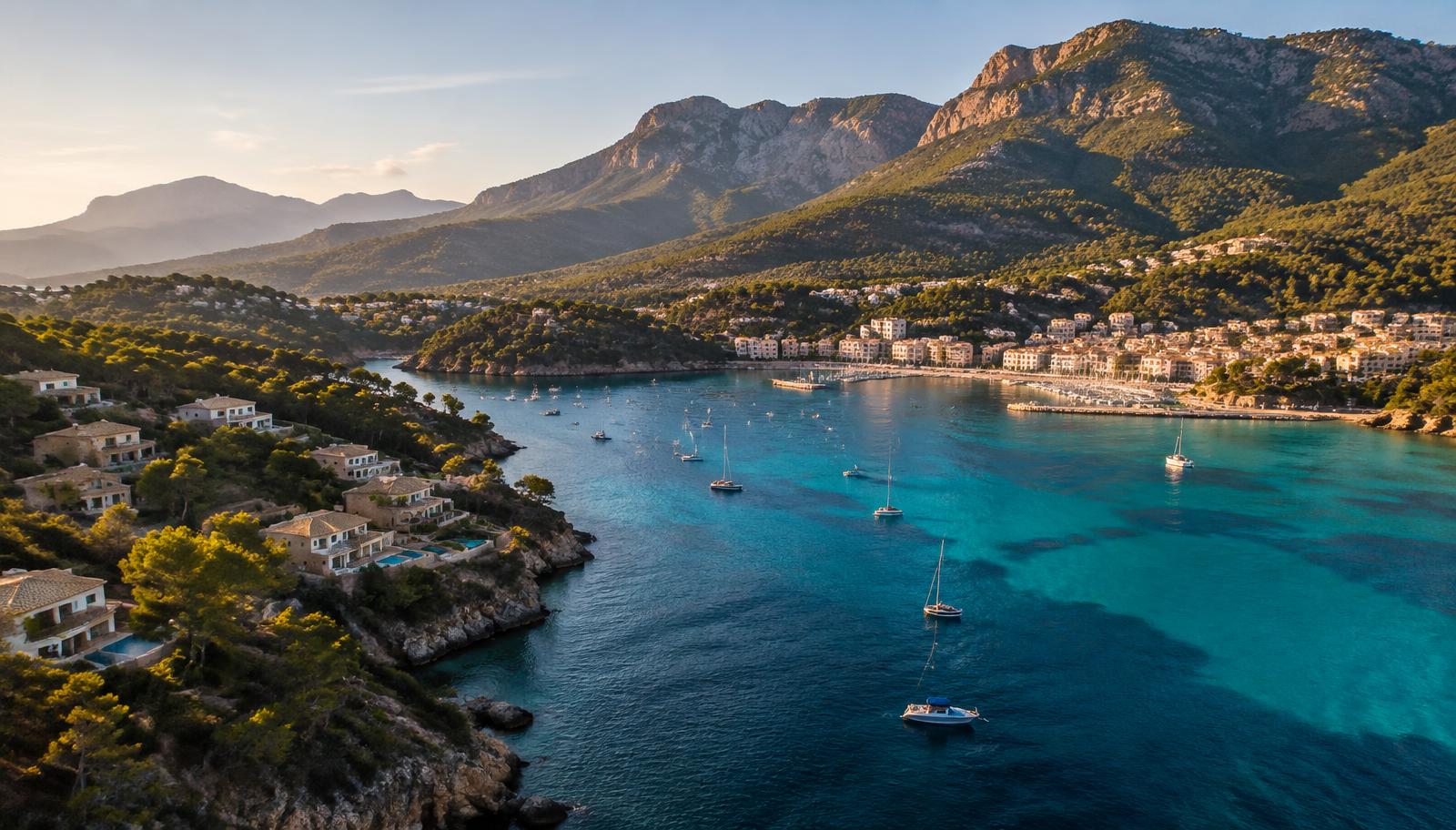
- Add one Mediterranean home the family will really use: Ibiza for privacy and nature, Mallorca for variety and the new direct flight, Marbella for an established Gulf community.
- Hold for the long term. Mediterranean homes reward patience, not quick flips.
Let's talk
I connect buyers between the Gulf and Spain, working with licensed agencies in Ibiza and Mallorca and partners in Dubai. If you're thinking about adding a Mediterranean home, tell me what you're looking for. Let's talk.
This article is general information, not financial, tax or legal advice. Rules differ by nationality and residence. Speak to qualified advisers in both countries before investing.
Sources
- Knight Frank: Dubai Residential Market Review Q4 2025
- WhereNext: Buying property in Dubai as a foreigner (2026)
- Etihad: Summer flights to Palma de Mallorca
- Engel & Völkers: Property prices in Ibiza
- Balearic Properties: The Balearic property market in Q1 2026
- idealista: Property Transfer Tax in Spain 2026
- Taxes for Expats: Spain property tax for non-residents
- idealista: How to move to Spain without a Golden Visa